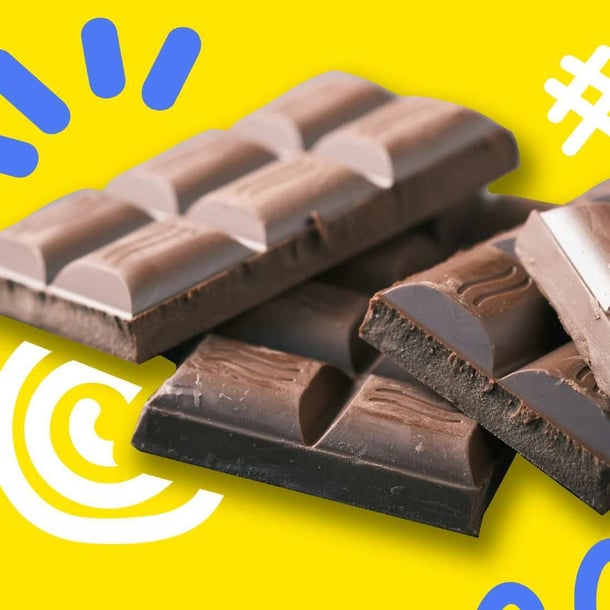
Coolest Brands 2025: Chocolate Bars & Sneakers
What KitKat and Jordan tell us about winning with kids in 2025 and beyond
On paper, a chocolate bar and a basketball sneaker have very little in common. But when it comes to winning hearts, minds and playground credibility in 2025, KitKat and Jordan are playing the same game and playing it well.
Both brands rank among the strongest performers in Beano Brain’s Top 100 Coolest Brands of 2025, proving that legacy doesn’t equal “old” if it’s handled with confidence, clarity and cultural fluency.
Heritage, remixed (not rebooted)
Air Jordan was born in 1984, designed for Michael Jordan during his Chicago Bulls era, before hitting shelves in 1985. Fast-forward four decades and the silhouette is back not as nostalgia cosplay, but as a style staple for a new generation. Punchy colourways, limited drops and social-first storytelling have turned the retro classic into a modern must-have.
KitKat’s story is even older. First launched in the UK in 1935 as ‘Chocolate Crisp’, the brand has stayed remarkably close to its original four-fingered format. The line “Have a break, have a KitKat”, coined in 1958, remains one of the most globally recognised slogans of all time. From classic bars to Chunky, Peanut Butter and Japan’s famously adventurous flavour range (Wasabi KitKat, anyone?), the brand fuels breaks in more than 80 countries.
So what are the key lessons from these two heritage brands?
Lock down brand salience
For kids and teens, Jordan doesn’t feel like Nike’s sub-brand — it feels like its own universe. Rooted in basketball heritage and Michael Jordan’s legacy, the designs remain instantly recognisable. To young fans, Air Jordans aren’t just sneakers; they’re identity markers, status signals and cultural shorthand.
This kind of clarity matters. In a world where kids can Google, TikTok or AI-prompt anything in seconds, brands that are easy to “get” win.
Storytelling that moves
Jordan’s innovation isn’t just technical it’s narrative-led. Collaborations come with clear stories, like Nigel Sylvester’s AJ1 Low OG “Better with Time”, where intentional wear and tear reflects life in motion. Each drop lands as more than a product; it lands as a moment.
Kids don’t just buy things anymore. They buy what those things say about them.
It’s all about the feels
KitKat’s magic is sensory. That unmistakable ASMR snap. The contrast of crunchy wafer and solid chocolate. It’s a textural experience kids notice and talk about.
In a world of hyper-digital stimulation, physical sensation still cuts through.
Global flavours, local hype
KitKat’s relentless flavour innovation keeps curiosity high. Classic pairings like Salted Caramel, Mocha and Vanilla sit alongside quirkier limited editions like Lemony Lime and Cotton Candy - flavours built for a generation with adventurous tastes and viral instincts.
Food curiosity is cultural currency for Gen Alpha. KitKat knows how to feed it.
Sharing is caring (and strategic)
The launch of KitKat Sharing Bars in the UK and Ireland in February 2025 tapped neatly into the growing sharing category. Double Chocolate, Hazelnut, Salted Caramel - all positioned around the idea of “having a sharing break” with friends and family.
In kid culture, shareability isn’t just about portion size. It’s about connection.
The Beano Brain takeaway
Jordan and KitKat prove that winning in 2025 is about knowing who you are, respecting your heritage and evolving with intent.
As we look ahead to 2026, the brands set to win won’t be the loudest or the newest. They’ll be the ones that balance legacy with relevance — building products that feel good, stories that travel, and identities kids want to step into.
If you found this insight interesting, sign up to our free insights newsletter to get the latest direct to your inbox.